Posted by:
Admin
Date:
July 14, 2026
Category:
blogs
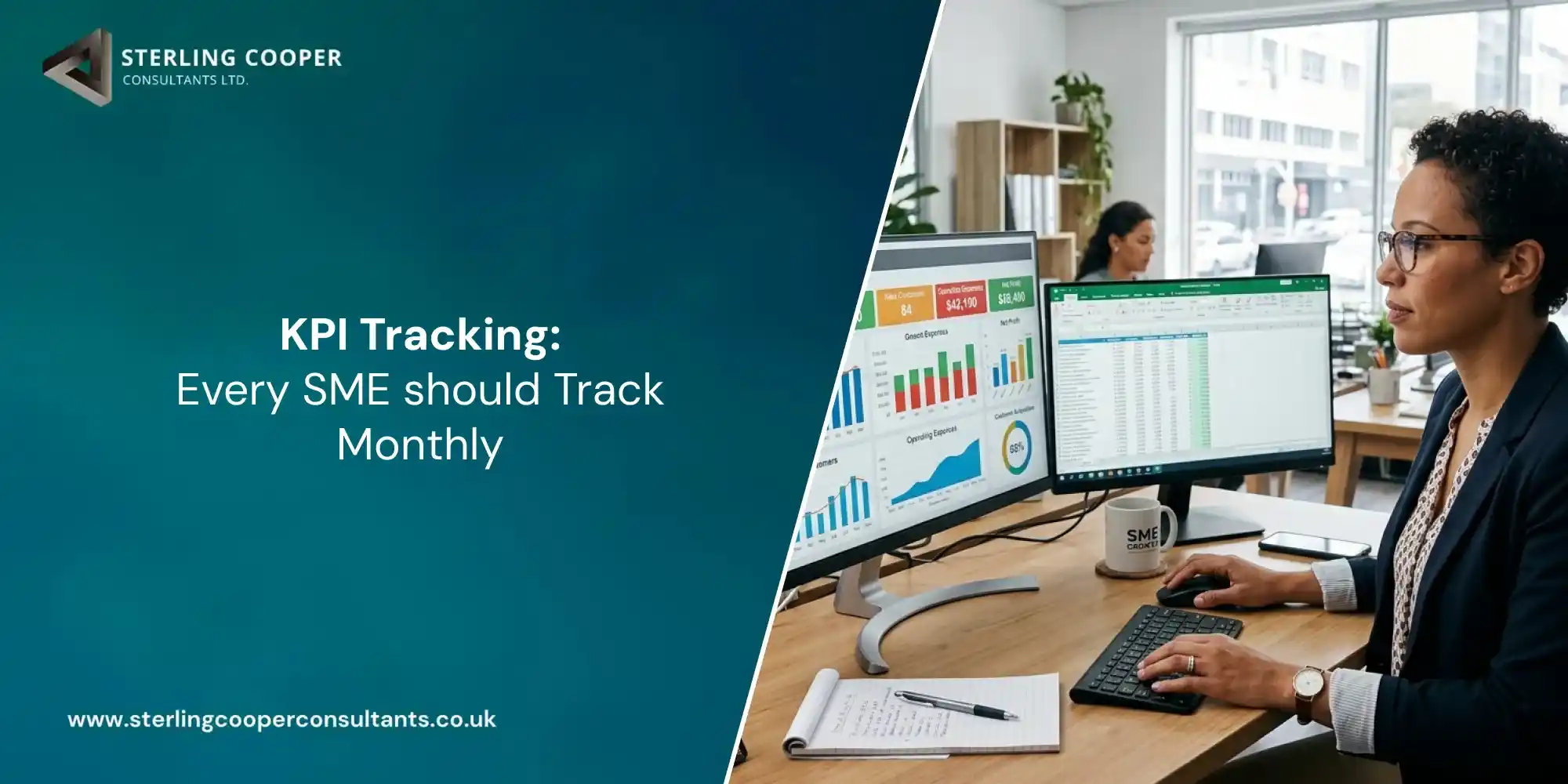
KPI Tracking: Every SME should Track Monthly
Running a small or medium-sized business is not easy. Every day brings new tasks, new costs and new decisions.
This is why business owners need clear information about how their company is performing.
Many SMEs focus only on sales and bank balances. While these numbers matter, but they do not show the full picture. Proper KPI tracking helps you to understand what is really happening inside your business.
Research shows that almost 50% of UK SMEs experience difficulties in cash flow. Rising costs and late customer payments are among the most common reasons.
When you review the key figures every month then you can spot the issues early. You can also find new opportunities for growth. Good KPI tracking gives you confidence during the decision making process.
Key Takeaways
- KPI tracking helps SME owners understand the true financial health of their business beyond just sales and bank balances.
- Regular KPI tracking allows businesses to identify problems early and take action before small issues become major challenges.
- Cash flow is one of the most important financial metrics because even profitable businesses can struggle if cash is not available when needed.
- Gross profit margin and net profit margin help measure profitability and show whether pricing and cost management strategies are working effectively.
- Revenue growth and sales growth rates provide valuable insight into business performance and future growth opportunities.
- Debtor days help businesses monitor how quickly customers pay invoices, improving cash flow management and reducing financial pressure.
- Liquidity metrics such as the current ratio and quick ratio show whether a business can meet its short-term financial obligations.
- Working capital management is essential for maintaining smooth daily operations and supporting business growth.
- Customer-focused KPIs such as Customer Acquisition Cost (CAC), Customer Lifetime Value (CLV), churn rate and conversion rates help businesses improve marketing efficiency and customer retention.
- A simple monthly KPI dashboard can help business owners track performance, monitor trends and make informed decisions quickly.
- Businesses should focus on a small number of meaningful KPIs rather than tracking too many metrics at once.
- KPI tracking is most effective when business owners review results regularly and take action based on the insights gained.
- Consistent KPI tracking supports stronger financial control, better decision-making, improved profitability and sustainable long-term business growth.
What Are Financial KPIs?
Financial KPIs are numbers that measure the performance of a business. They show how your company is doing financially over a specific period.
Examples include cash flows, profit margins, revenue growth and debtor days. Each figure helps to provide useful information about a different area of the business.
They act like a health check for your company. Effective KPI tracking allows you to understand the strengths and weaknesses of a business.
“What gets measured gets managed.”
– Peter Drucker, Management Consultant
Why Does Monthly KPI Tracking Matters for SMEs?
Monthly reviews help you to stay in control. Instead of waiting for year-end reports to arrive, you can identify the issues as soon as they appear.
Many businesses face problems like cash flow, rising costs or falling profits. Regular KPI tracking helps you to notice these issues before they become serious.
Top KPIs You Should Track Monthly
Here are some important KPIs that you should track on a monthly basis. These KPI’s help you grow your business.
1. Cash Flow: The Most Important KPI for SME Survival
Cash flow is often described as the lifeblood of a business. A business may show strong sales but still face financial difficulties. This is why cash flow deserves close attention.
Many experts consider the cash flow as the most important area of KPI tracking for SMEs.
“Revenue is vanity, profit is sanity, but cash is king.”
– Alan Miltz, Business Turnaround Specialist
What Does Cash Flow Measures?
Cash flow measures the money entering and leaving the business. It shows whether cash reserves are increasing or decreasing.
Incoming cash may come from customers or loans. Outgoing cash includes wages, rent, suppliers and other expenses.
Strong KPI tracking helps you to understand your monthly cash position.
Tips to Improve Monthly Cash Flow
You can improve the cash flow by issuing the invoices quickly. Also following up on overdue payments is equally important.
Reducing the unnecessary spending can also help to protect the available cash.
2. Gross Profit Margin
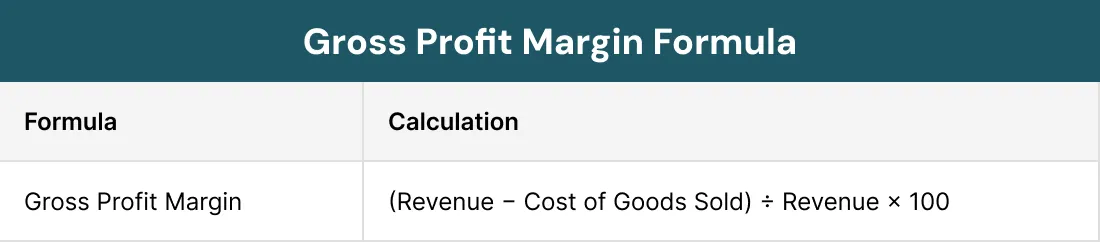
Gross profit margin shows how much money remains after the direct costs are removed from the revenue. It highlights how efficiently products or services are delivered.
This KPI provides valuable insight into pricing and cost management.
For many SMEs, gross margin is a core part of monthly KPI tracking.
What Does Gross Profit Margin Reveals?
Gross profit margin helps to reveal how much profit is generated from the sales before overhead expenses are considered.
A strong margin usually indicates good pricing and the cost control. A falling margin may suggest those problems that need attention on time.
Every useful KPI for business should help you to understand the trends of profitability.
How to Increase Gross Profit Margin?
You can review the pricing strategies and negotiate the suppliers’ terms in a better way. Small improvements often help you to produce significant gains.
Reducing waste and improving efficiency can also increase the margins.
3. Net Profit Margin
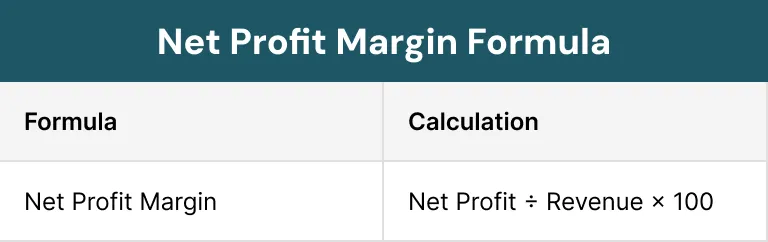
Net profit margin shows how much profit remains after all expenses have been deducted. It reflects the true profitability of your business.
Unlike gross margin, net margin includes rent, wages, utilities, marketing and finance costs. It provides a complete view of the performance.
Many SMEs consider this one as the most valuable area of KPI tracking.
What Does Profit Margin Measure?
Net profit margin measures the percentage of the revenue that becomes a profit. It reflects the overall efficiency of a business.
A healthy margin suggests that costs are under control. A weak margin may indicate that spending is too high.
This is one of the most important examples of a KPI for business.
How to Improve Net Profit Margin?
Reviewing the expenses on a regular basis can uncover the savings opportunities.
Improving efficiency and increasing revenue can also give a boost to the net profit margins. Small changes often create good benefits.
Effective KPI tracking helps to ensure that efforts remain focused on the measurable outcomes.
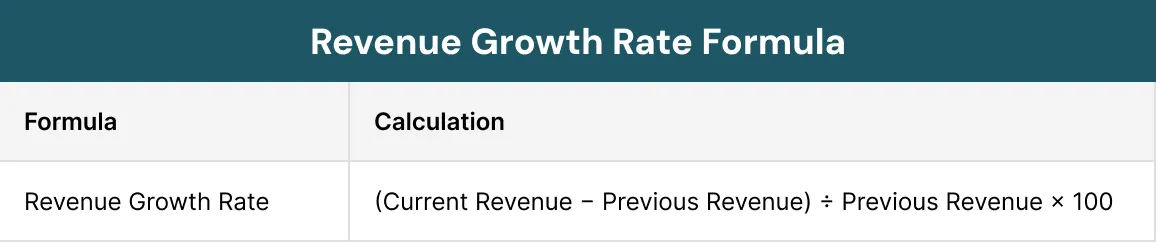
4. Revenue Growth Rate
Revenue growth shows whether your business is moving forward or not. It measures how much income has increased over a specific period.
Growing revenue usually means your products or services are attracting the customers
For many SMEs, revenue growth is a key part of monthly KPI tracking because it highlights the momentum of a business.
Why Does Revenue Growth Matters?
Revenue growth helps you to understand whether demand is increasing.
Steady growth can help to create more opportunities for investment, recruitment and expansion. It also improves confidence when you are planning for future goals.
A strong KPI for business should always help to measure the growth and long-term success.
How to Drive Sustainable Revenue Growth?
Businesses can increase their growth by improving customer service. Introducing new products may also help in the process of growth.
In this process marketing campaigns should focus on attracting the quality customers. Retaining the existing customers is equally important.
“Growth is never by mere chance; it is the result of forces working together.”
– James Cash Penney
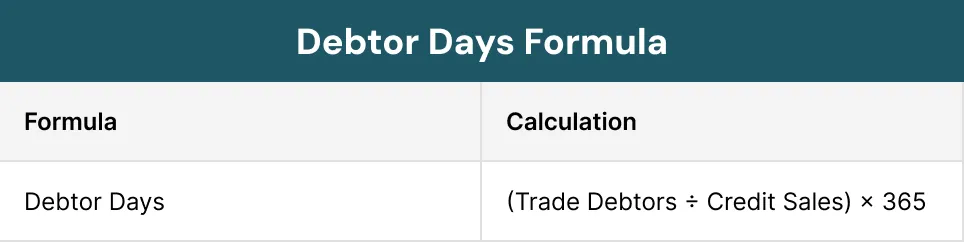
5. Debtor Days: Improving Cash Collection
Debtor days mean how long customers take to pay invoices. This KPI directly affects the cash flow of the business.
Many SMEs include debtor days within their monthly KPI tracking process.
The quicker customers pay, the faster money becomes available for daily business operations.
Did you know?
Slow payments can create financial pressure.
What Do Debtor Days Measure?
Debtor days show the average number of days required to collect payment. This helps you to evaluate your credit control process.
Every useful KPI for business should support stronger cash management.
Ways to Reduce Debtor Days
You can send invoices immediately after completing the work. Automated reminders can also help to improve the speed of payment.
Good KPI tracking ensures the collection efforts remain effective.
6. Current Ratio
The current ratio shows how many current assets are available to cover the short-term debts. Assets may include cash and stock.
A ratio above one usually means the business has enough resources to meet the obligations.
Strong KPI tracking helps you to monitor financial stability over time.
7. Quick Ratio
The quick ratio measures the immediate financial strength. It shows whether the business can meet the obligations without selling their stock.
This KPI is useful because inventory may take time to convert into cash. A strong kpi for business should provide a realistic picture of short-term financial health.

8. Debt-to-Equity Ratio
The debt-to-equity ratio shows how much debt your business uses compared to its own funds. It helps you to understand the financial risk.
Most businesses use some level of borrowing to grow. However, too much debt can create pressure when your sales become down or costs rise.
This metric is an important part of financial KPI tracking. It highlights the balance between borrowing and ownership.
What Debt-to-Equity Ratio Measures
This ratio helps you to measure the relationship between the business debt and shareholder equity.
A lower ratio often suggests lower financial risk. A higher ratio may indicate the heavy dependence on borrowing.

Ways to Reduce Financial Risk
Paying down the existing debt is one solution. You should have to avoid the unnecessary borrowing. In this process, careful planning helps you to reduce the reliance on loans.
A strong KPI for business should support better financial decisions.
9. Operating Expenses
It includes the costs of running the business. This KPI measures how much revenue is being used by these expenses.
Monitoring this ratio helps you to control the overhead costs. Many companies include this metric in monthly KPI tracking reports.
Why Do Operating Costs Need Monitoring?
Operating costs can rise slowly over time. Without monitoring, these increases may go unnoticed and become a risk for your business.
This is why you have to monitor the costs of operating on a monthly basis.

Cost Control Strategies for SMEs
Review the expenses on a regular basis. Look for services that no longer provide value to the business.
Negotiate the better supplier contracts where possible. Small savings can create long-term benefits.
Strong KPI tracking helps you to measure the success of cost reduction efforts.
Pro Tip:
Do not focus only on increasing revenue. Managing costs is equally important for profitability.
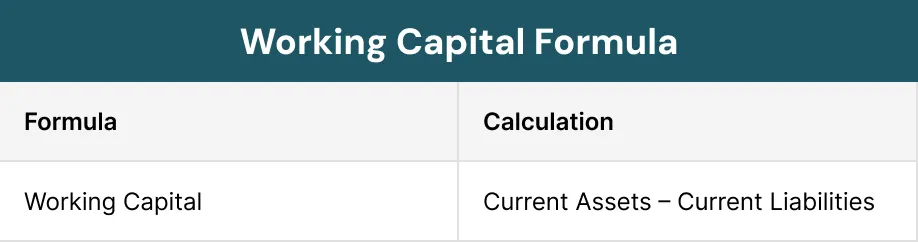
10. Working Capital
Working capital is the funds that are available for daily operations. It plays a major role in the stability of the business.
Healthy working capital allows you to pay bills, purchase stock and also manage the unexpected costs.
This metric is an important part of financial KPI tracking for SMEs.
What Working Capital Measures
It helps to measure short-term financial health. It compares the current assets of the business with the current liabilities.
The result shows whether resources are available to support the operations or not. Positive working capital is generally a good sign for your business.
This KPI for business should help to protect the operational stability.
How to Strengthen Working Capital?
Review the stock levels and negotiate the terms of a supplier where possible. These actions often help to give strength to the working capital.
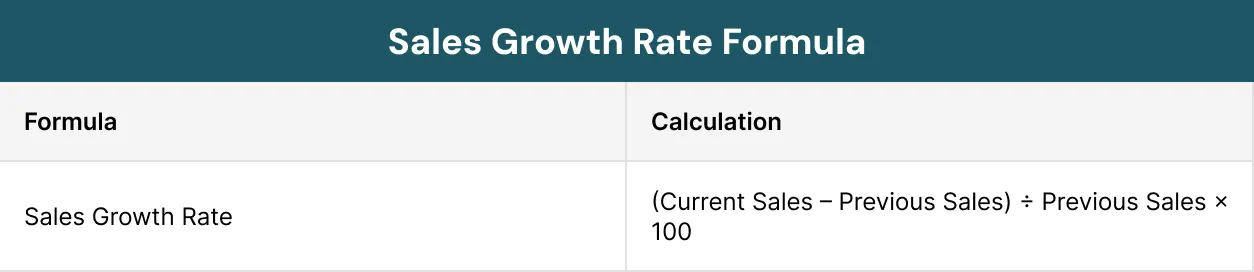
11. Sales Growth Rate
Sales growth rate helps to measure how quickly sales are increasing over time. It helps you to understand the demand of the market.
Growth in sales often gives signals that customers are interested in your product or service.
This metric is a valuable part of monthly KPI tracking for SMEs.
Strategies to Increase Sales
Improving customer service can help to make repeat purchases. Expanding the product ranges may also attract new buyers.
You should focus on understanding the needs of the customer. In this process effective marketing plays a key role.
12. Inventory Turnover
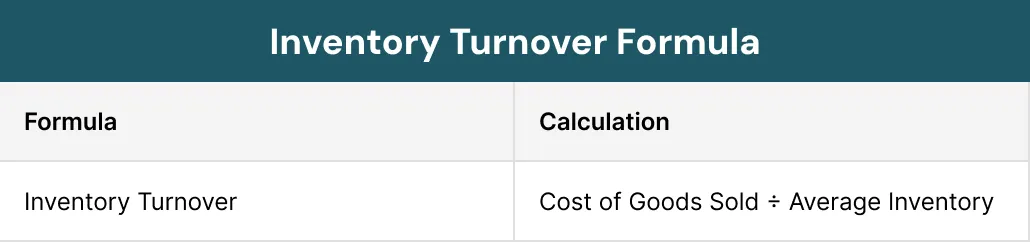
Inventory turnover shows how quickly stock is sold and replaced. It helps you to understand the efficiency of the inventory.
Holding too much stock can tie up cash. While holding too little may result in missed sales.
This KPI is a valuable part of financial KPI tracking for product-based businesses.
Ways to Improve Inventory Turnover
Review the data of sales on a regular basis. This helps you to identify those products that sell quickly and those that do not.
You should avoid over-ordering stock. A practical KPI for business should support smarter inventory decisions.
“Inventory is money sitting around in another form.”
– Rhonda Abrams
13. Customer Acquisition Cost (CAC)
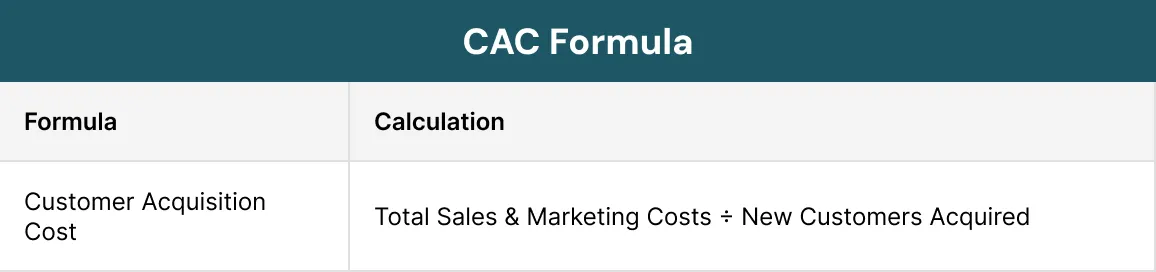
Customer Acquisition Cost means how much it costs to gain a new customer. It includes the expenses of marketing and sales.
This KPI helps you to understand whether growth efforts are cost-effective or not.
What CAC Measures?
CAC helps to measure the average amount spent to attract one new customer. This includes ads and sales activity.
Understanding this figure helps you to evaluate the marketing efficiency. It also helps to support the budget planning.
How to Reduce CAC
You must have to focus on marketing efforts on high-performing channels. Avoid spending extra money on campaigns that produce weak results.
Better targeting often helps you lower acquisition costs.
14. Customer Lifetime Value (CLV)
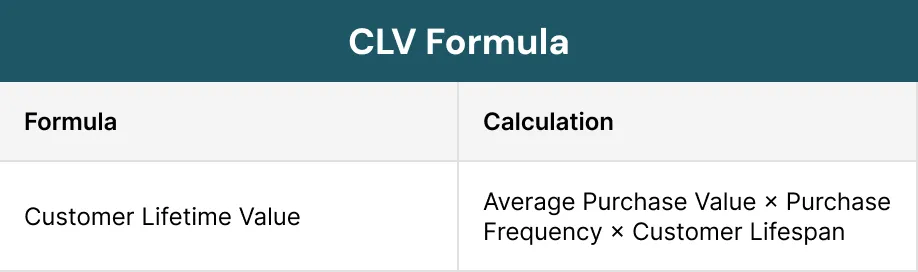
Customer Lifetime Value estimates the total revenue generated by a customer. It goes beyond a single purchase.
This KPI helps you to understand the long-term value of retaining customers. It highlights the importance of loyalty.
Strategies to Increase CLV
Good customer service helps you to encourage repeat business.
You should focus on building long-term relationships with customers. Satisfied customers often spend more money on your product or service over time.
“The goal as a company is to have customer service that is not just the best, but legendary.”
– Sam Walton
15. Lead-to-Customer Conversion Rate
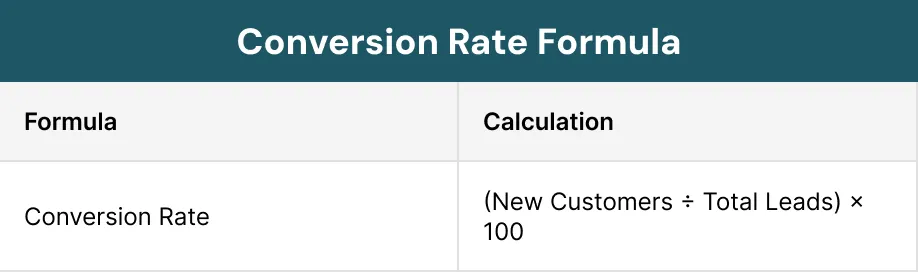
The lead-to-customer conversion rate means how many leads become paying customers. It helps you to assess the effectiveness of the sales.
Generating leads is important, but conversions generate revenue. This KPI helps you to understand the performance of the sales.
Many SMEs include conversion rates within their monthly KPI tracking reports.
How to Improve Lead Conversion
Respond quickly to the customer enquiries. They often choose businesses that respond to them in an effective way.
To get more leads, you have to Improve the sales training and refine the marketing messages. Better targeting usually helps to increase the conversions.
Pro Tip:
Track conversion rates for the different marketing channels to identify your best sources of leads.
16. Revenue per Employee
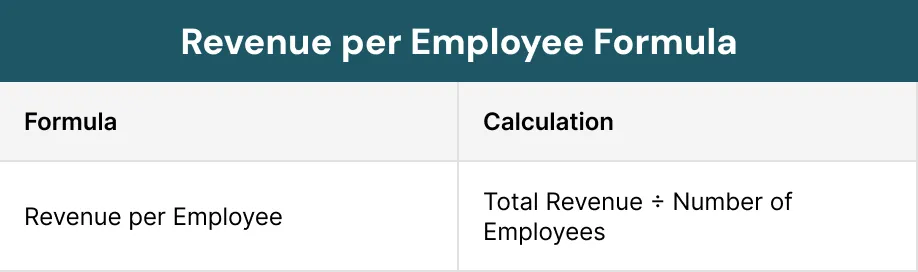
Revenue per employee shows how much income each employee helps to generate. It is a useful measure of the productivity of a business.
This KPI helps you to understand whether resources are being used effectively.
Many SMEs include this metric as a part of their monthly performance reviews.
Case Study
A small UK retail business was growing in sales, but it often struggled to pay suppliers on time. The owner started monthly KPI tracking by reviewing cash flow, debtor days and gross profit margin every month.
After checking the numbers, the owner found that many customers were paying invoices late. The business introduced payment reminders and reviewed its pricing.
Within three months, cash flow improved, payments arrived faster and profits became more stable.
This simple monthly KPI tracking routine helped the business to make better financial decisions and plan for future growth.
Conclusion
Financial KPIs provide a clear picture of the performance of a business. They help you to make informed decisions.
The most important KPIs often include cash flows, profit margins, revenue growth and liquidity ratios.
These indicators provide a balanced view of business performance. Together they support better decision-making.
Monitoring the key metrics on a regular basis supports profitability, stability and growth. Businesses that track the performance consistently are better prepared to handle the challenges of the future.
At Sterling Cooper, our financial experts streamline your monthly KPI tracking so you can stay updated and informed about where your business stands.
Not sure which metrics to track first?
Contact us and tell us a bit about your business. We will point you in the right direction.
FAQs
KPI tracking is the continuous process of measuring and monitoring key business metrics to evaluate performance, spot financial trends, and make data-driven decisions for growth.
Financial KPIs are measurable figures that show how a business is performing financially. They help monitor areas such as profit, cash flow, growth and efficiency.
Cash flow is often considered the most important KPI because it affects the ability to pay bills, wages and suppliers.
Most SMEs should review financial KPIs every month. Regular reviews help identify trends and support better decisions.
A profitable business can still face difficulties if cash is unavailable when needed. Cash flow supports daily operations.