
Posted by:
Admin
Date:
November 21, 2025
Category:
blogs
How Outsourced Bookkeeping Services Can Save You Time and Money
Bookkeeping is important for any business, but it can take up a lot of time. Recording transactions, tracking receipts, handling invoices and reconciling bank accounts can quickly add to your workload. When these tasks are handled entirely in-house, they can also become costly, taking up valuable staff time and resources.
Outsourcing your bookkeeping can take some of this workload off your hands. A professional bookkeeping team can manage your day-to-day financial tasks, giving you more time to focus on your customers, operations and business growth. It can also help reduce costs while keeping your financial records accurate and up to date.
This blog explores how outsourced bookkeeping services can save you time and money while supporting better financial management and business growth.
Key Takeaways
- Every VAT return deadline follows the same rule: one calendar month plus seven days after your accounting period ends
- Filing and paying are treated as two separate obligations by HMRC, so submitting your return on time does not protect you from a late payment penalty
- A payment only counts as on time once it has actually been received by HMRC, not simply sent
- Since January 2023, late filing works on a points system, with a £200 penalty only once you cross your scheme’s threshold, while late payment runs on its own faster track with penalties and interest
- Annual Accounting works differently from other schemes, using estimated payments throughout the year with one final balancing payment two months after the accounting year ends
- Treating filing and paying as separate tasks, and understanding your scheme’s exact deadline, is what keeps most businesses out of HMRC’s penalty system
How Outsourcing Bookkeeping Saves You Time
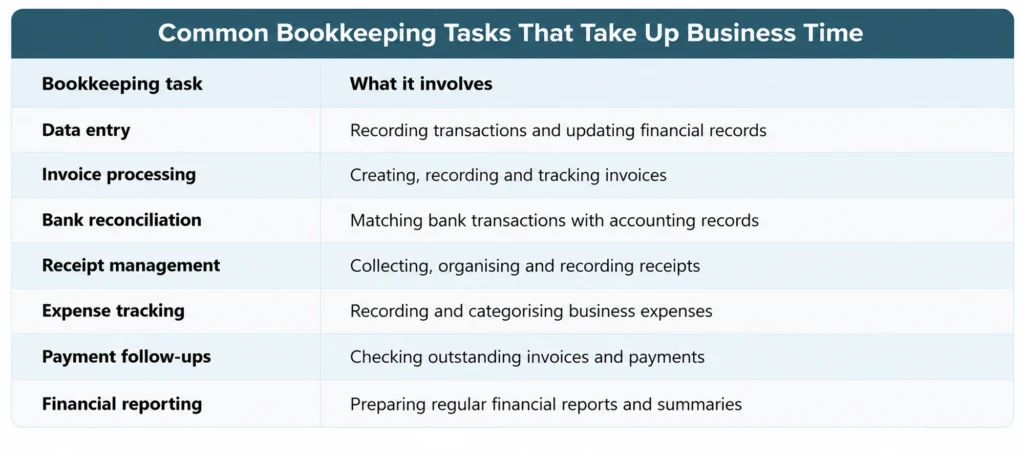
Bookkeeping can take up much of your working day when handled alongside other business tasks. What starts as a few transactions or invoices can quickly turn into hours of financial administration.
‘Bookkeeping can be a headache for big and small business owners.’
QuickBooks (Intuit)
Outsourcing your bookkeeping can help free up this time. A professional bookkeeping team can handle your routine financial tasks, allowing you to focus on your customers, operations and business growth
Here’s how you can save time by outsourcing your bookkeeping:
Data Entry Is Handled for You
Entering transactions, recording receipts and updating financial records can take up hours of your day. An outsourced bookkeeping team can handle these routine tasks and keep your records up to date. This means less time spent on repetitive work and more time available for other important areas of your business.
Once your records are updated, your bookkeeper can also handle regular checks, such as bank reconciliations. This means you do not have to keep reviewing your accounts yourself.
Bank Reconciliations Are Completed Faster
Bank reconciliation involves checking your records against your bank statements and finding any differences. Doing this yourself can take time, especially when your business has a high number of transactions.
An outsourced bookkeeping team can handle these checks as part of its regular work. This helps keep your accounts up to date and reduces the time you need to spend checking transactions yourself.
The time savings can start even before the bookkeeping work begins.
Hiring and Training Time Is Reduced
Hiring a bookkeeper takes time. You may need to write a job advert, review applications, interview candidates and train the person you hire. After that, you still need to manage their workload and make sure your business has the support it needs.
With an outsourced service, you can access bookkeeping support without going through the same hiring and training process. This can be particularly useful for businesses that need regular support but do not need a full-time bookkeeper.
Instead of spending time recruiting and managing another employee, you can work with a team that is already set up to handle your bookkeeping.
Administrative Tasks Are Reduced
Bookkeeping often involves more than recording transactions. You may also need to organise receipts, process invoices, check records and follow up on missing information. These tasks can quickly build up during a busy week.
An outsourced team can handle many of these tasks for you. This reduces the amount of financial admin you need to manage and helps keep your records organised.
With these tasks handled by one team, you spend less time managing routine administrative work. This gives you more time to focus on other important areas of your business.
By outsourcing these tasks, you can spend less time on bookkeeping and more time on customers, staff, daily operations and business growth. The benefit is not just having someone else manage your books, but freeing up your working hours for other priorities.
How Outsourcing Bookkeeping Saves You Money
Outsourcing bookkeeping can reduce some of the costs associated with managing financial tasks in-house. It can reduce staffing and overhead costs while helping keep financial records accurate and up to date.
Here’s how you can save money with outsourced bookkeeping:
In-House Salaries Are Avoided
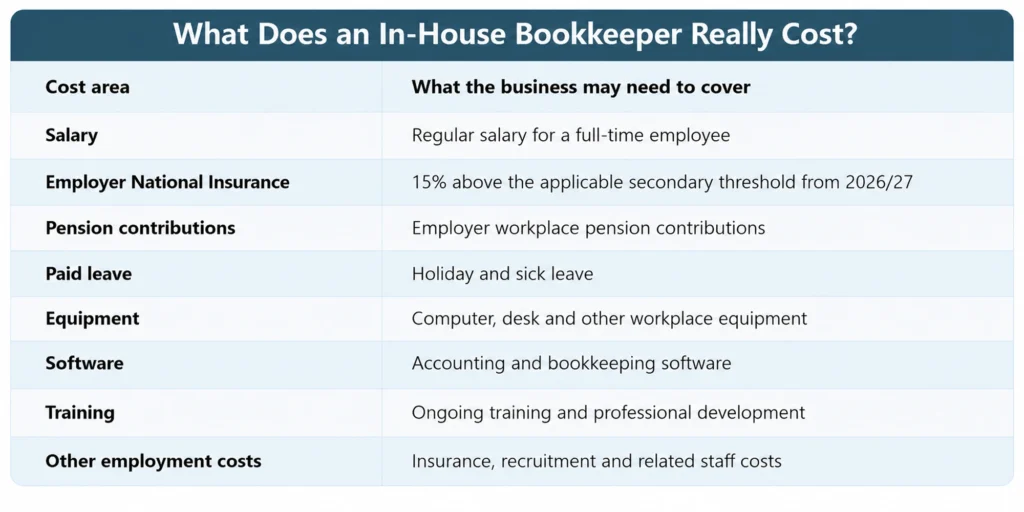
Hiring a full-time bookkeeper involves more than paying a salary. Depending on the employee and their circumstances, you may also need to cover employer National Insurance, workplace pension contributions, paid leave, training and other employment costs.
With outsourced bookkeeping services, you pay for the support your business needs without adding a full-time employee. This can make bookkeeping more cost-effective for businesses that do not need dedicated bookkeeping support every day.
You can also adjust the level of support as your needs change, rather than committing to the ongoing cost of another full-time employee.
Overhead Costs Are Reduced
An in-house bookkeeper may need a computer, accounting software, a desk and other workplace resources. These costs can add up, particularly for small businesses with limited resources.
Outsourcing gives you access to the systems and tools used by the bookkeeping team without having to purchase and manage them yourself. This can reduce some of the overhead associated with maintaining an in-house role
Costly Errors Are Reduced
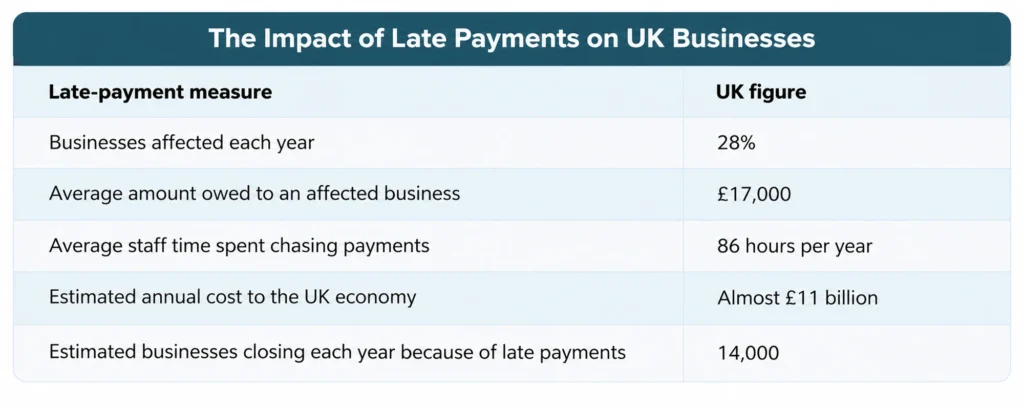
Bookkeeping errors can lead to more than incorrect figures in your records. A missed payment, incorrect transaction or outdated record can create extra work and lead to avoidable costs.
A professional bookkeeping team can help maintain organised records and carry out routine checks. This can make it easier to identify issues early and keep your accounts accurate.
Accurate books also mean fewer surprises when you need to review your finances, prepare reports or make important business decisions.
Cash Flow Is Better Managed
Up-to-date bookkeeping gives you a clearer view of the money coming into and leaving your business. You can see which invoices are due, track expenses and check how much cash is available.
With this information, you can plan payments and manage your spending with more confidence. Better visibility also makes it easier to spot cash flow problems before they become harder to manage.
When your financial information is accurate and up to date, you can make decisions based on what is actually happening in your business rather than relying on estimates or outdated figures.
How to Choose an Outsourced Bookkeeping Service
Understanding the advantages of outsourcing bookkeeping services can help you decide if it is right for your business. Outsourcing bookkeeping can reduce workloads, improve accuracy and free up time for growth.
Here are the key factors to consider when choosing an outsourced bookkeeping service:
Assess Your Current Needs
Start by identifying the bookkeeping tasks you need help with. These may include transaction recording, bank reconciliation, invoice processing and expense tracking.
Think about how you will communicate with your provider and whether you prefer local, virtual or hybrid support. Choose an arrangement that gives you convenient access to the support you need.
The service should fit into your existing processes and make your financial administration easier to manage.
Evaluate Software & Tech Stack
Check that the provider works with the accounting software you use, such as Xero or QuickBooks. Ask whether they use cloud-based tools and automation to streamline routine tasks and reduce manual data entry. Also, check how they share and store documents. They should use secure systems for exchanging files and protecting your financial information. This can also make it easier for you and your bookkeeper to access and manage documents when needed.
Verify Security & Compliance
Check how the provider protects your financial data. Ask how client records are stored, who can access them and what security measures are in place to protect sensitive information. You should also check that the provider follows relevant UK data protection requirements.
For tax-related work, check whether the provider understands the relevant HMRC requirements and responsibilities. You can also ask about relevant professional qualifications, such as ACCA or ACA, where applicable.
A provider should be transparent about how your financial information is handled and the measures they use to protect it.
Compare Pricing & Scalability
Ask for a clear breakdown of the costs before choosing a provider. Find out if they charge a fixed monthly fee or an hourly rate. Check what is included in the price.
Look out for extra charges for services such as year-end accounts, additional reporting or extra consultations. Also, check if the provider can change its level of support as your business grows. Your needs may increase as your transaction volume grows.
The right outsourced bookkeeping service should offer more than competitive pricing. It should provide reliable support, accurate records and a service that can grow alongside your business.
What Should You Look For?
The cheapest bookkeeping service is not always the best fit. Look for reliable support, clear pricing, secure systems and a service that can grow with your business
Case Study: Ocean Bottle Saves 200 Hours a Month
Ocean Bottle is a UK retail brand that grew its revenue by more than 200% year on year. As the company grew, its in-house finance team faced an increasing workload.
To manage this, Ocean Bottle outsourced several finance tasks, including bookkeeping, accounts receivable reconciliation, weekly accounts payable and month-end close. This reduced the in-house team’s routine workload and saved about 200 hours of finance work each month.
Outsourcing also provided more timely management reports and clearer cash flow data. This case study shows how outsourcing bookkeeping and other finance tasks can reduce administrative workload and free up valuable time for in-house teams.
Why Outsource Your Bookkeeping?
Your time is better spent running your business than chasing receipts, checking transactions and keeping spreadsheets up to date. With the right bookkeeping support, you can have accurate financial records and a clearer view of your cash flow without carrying the day-to-day workload yourself.
With accurate and up-to-date financial records, you can also gain a clearer view of your cash flow, make informed decisions and stay on top of your finances. The right outsourced bookkeeping service can take care of the day-to-day numbers while you focus on your customers, operations and business growth.
Ready to Simplify Your Bookkeeping?
Get reliable bookkeeping support without the cost of an in-house team. Talk to our experts today and let us handle your day-to-day bookkeeping
FAQs
Yes. Outsourced bookkeeping can give small businesses access to professional support without the cost of hiring a full-time bookkeeper. It can also free up time and keep financial records organised as the business grows.
The savings depend on the business, its bookkeeping needs and the cost of in-house staff. Outsourcing can reduce salary, software, equipment, training and other overhead costs associated with maintaining an in-house bookkeeping function.
Common tasks include transaction recording, bank reconciliation, invoice processing, accounts payable and receivable, expense tracking, payroll support and financial reporting. The exact services depend on the provider and your business needs.
Consider outsourcing when bookkeeping takes too much time, financial admin is becoming difficult to manage, records are falling behind or hiring a full-time bookkeeper does not make financial sense.
It can be, particularly for businesses that do not need a full-time employee. Outsourcing lets you pay for the level of bookkeeping support you need without taking on the full cost of salary, benefits, equipment and other employment expenses.
Look for a provider that understands your business needs, works with your accounting software, protects your financial data and offers clear pricing. You should also consider the level of support and whether the service can adapt as your business grows.
Recent Posts