Posted by:
Admin
Date:
July 15, 2026
Category:
blogs
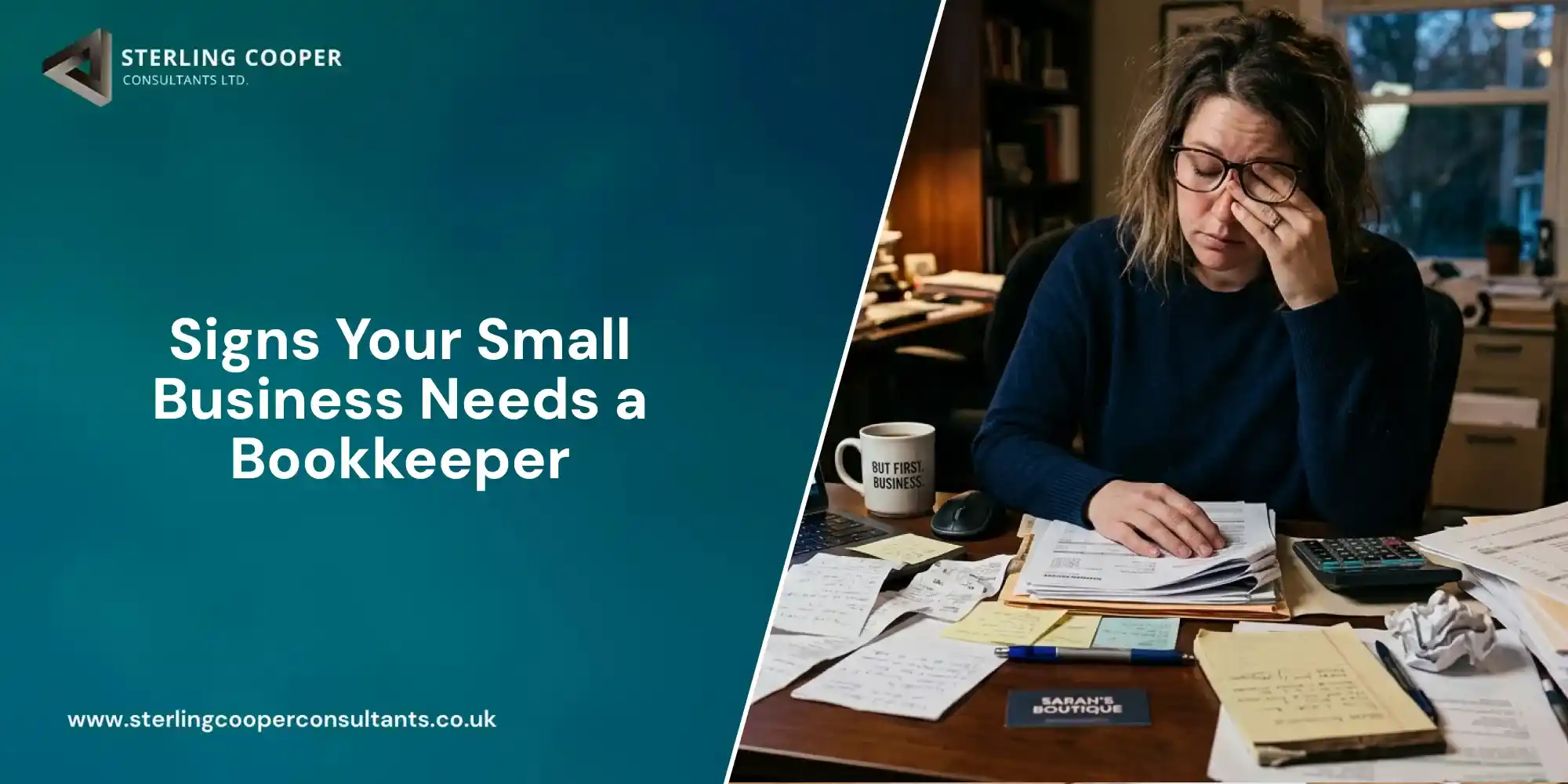
Signs Your Small Business Needs a Bookkeeper
Running a small or medium-sized business is not easy. Every day brings new tasks, new costs and new decisions.
This is why business owners need clear information about how their company is performing.
Many SMEs focus only on sales and bank balances. While these numbers matter, but they do not show the full picture. Proper KPI tracking helps you to understand what is really happening inside your business.
Research shows that almost 50% of UK SMEs experience difficulties in cash flow. Rising costs and late customer payments are among the most common reasons.
When you review the key figures every month then you can spot the issues early. You can also find new opportunities for growth. Good KPI tracking gives you confidence during the decision making process.
Key Takeaways
- A small business needs a bookkeeper when financial tasks start taking time away from serving customers and growing the business.
- Accurate bookkeeping helps business owners track income, expenses, profits, and cash flow with confidence.
- Falling behind on financial records can lead to poor decision-making, missed opportunities, and compliance issues.
- Cash flow problems, even in profitable businesses, are often a sign that better bookkeeping support is needed.
- Tax season becomes much easier when financial records are organised and updated throughout the year.
- Frequent bookkeeping mistakes, missing receipts, and inaccurate records can result in costly financial and tax errors.
- Managing payroll, invoices, and supplier payments becomes more complex as a business grows and may require professional assistance.
- Up-to-date financial reports provide valuable insights that help owners make informed business decisions.
- A professional bookkeeper can save time, improve financial accuracy, and reduce stress for business owners.
- Businesses seeking loans, investment, or expansion opportunities benefit from having well-maintained financial records.
- Good bookkeeping improves financial visibility and helps business owners plan for future growth.
- Hiring a bookkeeper is not just about managing numbers; it is an investment in the long-term success and stability of the business.
Why Bookkeeping Matters for Small Business?
Bookkeeping is more than recording the numbers. It is the process of organising and tracking the financial transactions of a business.
It helps you to understand the financial health of your company. Without the accurate records, it becomes difficult to know whether your business is making money or losing it.
A reliable bookkeeping system helps you to track the expenses, income, invoices and cash flow. This info allows you to plan the future growth of your business with confidence.
When a small business needs a bookkeeper, it often means that financial records have become difficult to manage alone.
The Role of a Bookkeeper in Small Businesses
A bookkeeper records and organises the financial records. They help to maintain the accurate records and ensure important info is available when needed.
They often use cloud-based software to keep records updated in real time. This helps you to access the financial info quickly.
Did you know?
A good bookkeeper helps prevent problems before they become expensive mistakes.
Top Signs When Your Small Business Needs a Bookkeeper
Here are some top signs when your small business needs a bookkeeper:
Sign #1: You’re Spending Too Much Time on Bookkeeping
Every business owner has limited time. If bookkeeping is taking many hours every week, it may be stopping you from focusing on factors that generate income. This is often one of the first signs a small business needs a bookkeeper.
How Admin Tasks Distract You from Growth?
Administrative work is important, but it should not dominate your schedule. Growth often slows down when you become trapped in the daily paperwork. A small business needs a bookkeeper, when financial tasks start reducing productivity.
Bookkeepers allow you to focus on strategic work. This helps the growth of the businesses while maintaining accurate financial records.
The Opportunity Cost of Managing Your Own Books
Opportunity cost refers to what you give up by spending time on one activity instead of another. Every hour spent on bookkeeping could be used to win new customers or improve services.
Growth of the business often depends on where you spend your attention. Many businesses that need bookkeepers realise that financial work is holding them back.
A small business needs a bookkeeper when the value of your time becomes greater than the cost of bookkeeping.
Work on your business, not just in your business.”
– Michael E. Gerber
Sign #2: Your Books Are Never Updated
Keeping financial records updated is essential for every business.
When bookkeeping tasks are delayed for weeks or months then it becomes difficult to know where your business stands. This is a common sign that a small business needs a bookkeeper.
Before long, receipts, invoices and the bank statements start piling up, making it difficult to keep your financial records accurate and up to date. Many owners plan to catch up later, but the to-do list keeps growing.
Why Up-to-Date Books Matter?
Current financial records provide you a clear picture of your business performance. They help you to understand your income, expenses and available cash. Without updated books, important decisions become much harder.
Accurate records also help with budgeting and planning. You can identify the trends and make changes before problems develop.
Up-to-date books also help to reduce the stress during tax season.
How Late Books Affect Decision-Making?
Good decisions depend on accurate information. If your records are months behind, you may not know whether your business is profitable or losing money.
Late records make forecasting difficult. You may delay the investments or overspend because the numbers are unclear.
Business owners need confidence in their financial figures. Updated books provide you that confidence and also support better planning for future growth.
Sign #3: You’re Struggling to Understand Your Financial Reports
Many owners do work hard but still feel unsure about their financial reports. They know that money is coming in, but they cannot clearly explain where it is going. This often shows that a small business needs a bookkeeper.
Financial confusion creates uncertainty. It becomes difficult to plan for growth, hire staff or invest in new projects. Such a scenario highlights that your small business needs a bookkeeper now.
Tracking Revenue, Expenses and Profitability
Revenue alone does not tell the full story. A business may generate strong sales but still struggle with losses due to high expenses.
Tracking the costs helps you to reveal the true profitability. Without proper records, you may overestimate the performance of the business. A small business needs a bookkeeper when income and expenses become difficult to track.
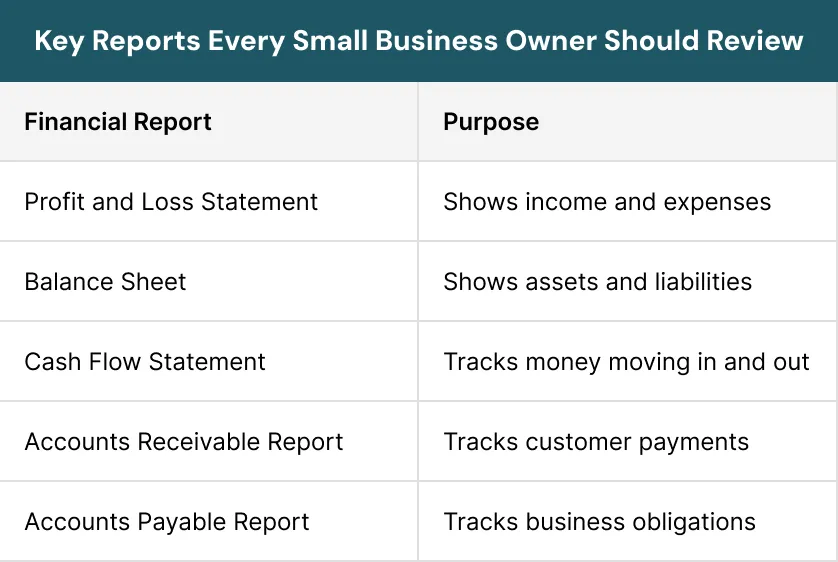
“Financial reports tell the story behind your numbers.”
– Business Finance Consultant
Sign #4: Cash Flow Problems
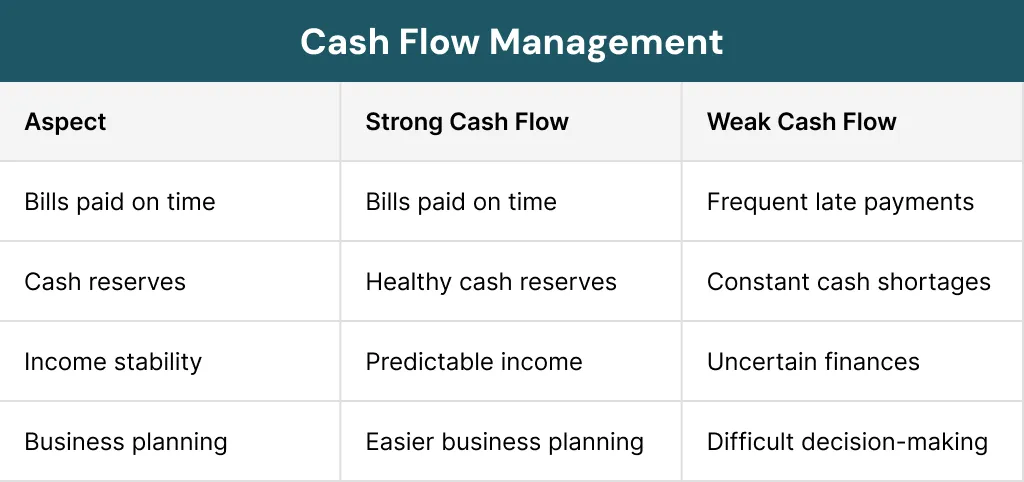
Cash flow is the movement of money into and out of a business. If cash flow is managed poorly then even profitable businesses can face difficulties. This is another major sign that a small business needs a bookkeeper.
Many owners focus heavily on the sales figures. However, healthy sales do not always guarantee available cash. This is why many businesses that need bookkeepers seek help with cash flow management.
Common Signs of Cash Flow Issues
Problems of cash flow often appear gradually. Small warning signs can quickly develop into serious financial pressure.
Some common symptoms include:
- Paying suppliers late
- Struggling to meet payroll
- Using personal funds for business costs
- Frequent overdrafts
- Delayed customer payments
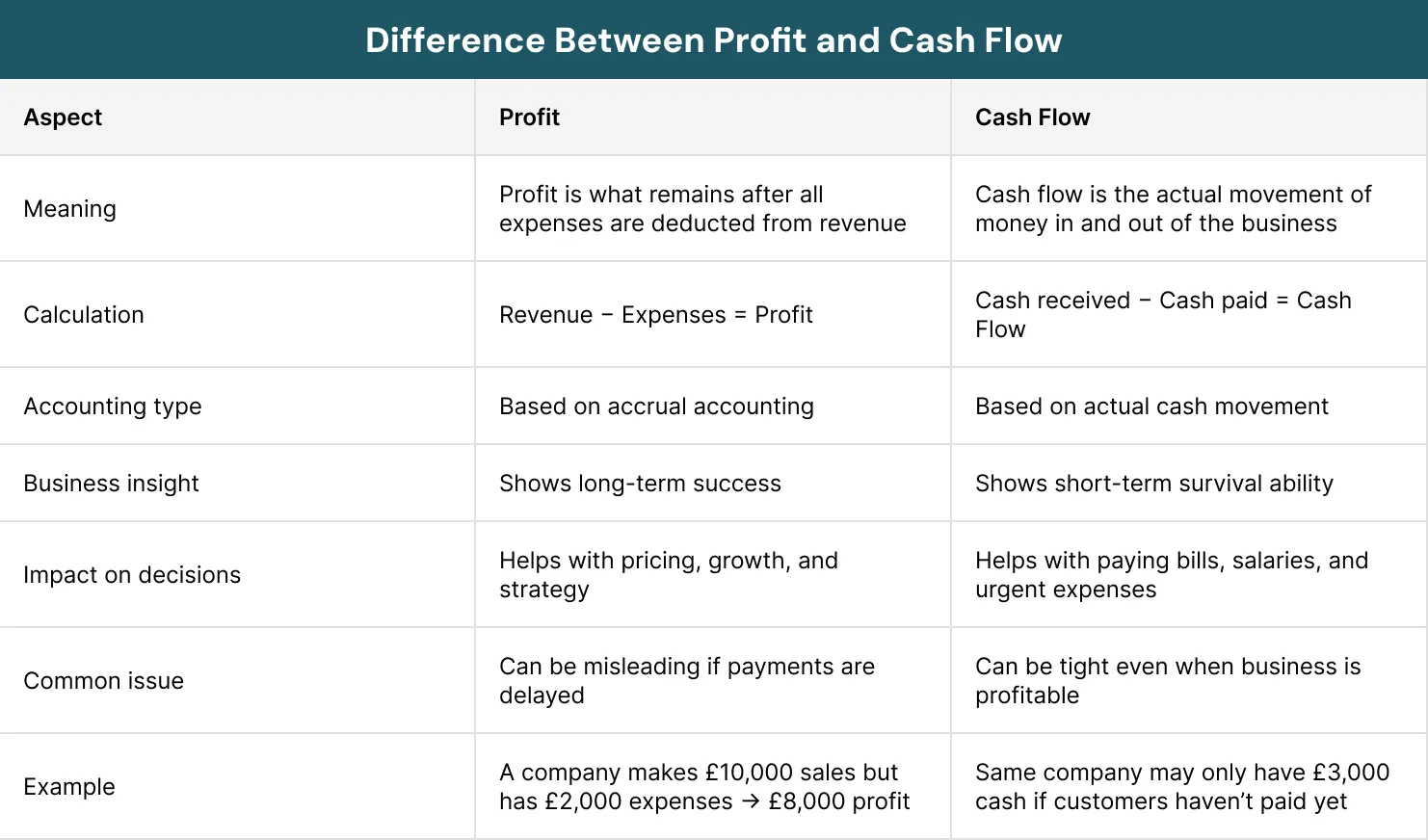
Difference Between Profit and Cash Flow
Many business owners confuse profit with cash flow. Profit represents the earnings after expenses. Cash flow refers to the actual money available in the business.
For example, a company may record a profitable sale today but not receive payment for several weeks.
During that period, cash may still be tight. This causes a cash flow issue. If a payment is received and a company deduct all of their expenses then the remaining cash is counted as a profit.
How Bookkeepers Help Improve Cash Flow Management?
Bookkeepers help to monitor the incoming and outgoing payments. They track invoices, expenses and account balances. This provide a clearer picture of the financial health of a business.
They also identify the patterns that affect the cash flow. This helps you to plan ahead and avoid unexpected shortages. Many businesses that need bookkeepers rely on these insights to improve their stability.
Pro Tip:
Review your cash flow weekly, not just monthly. Small issues are easier to fix when spotted early.
Sign #5: Tax Season Causes Stress Every Year
Tax season should not feel like a crisis every year. If you spend weeks searching for receipts, checking figures and correcting errors, it may be a sign that your bookkeeping system needs improvement.
Often, a small business needs a bookkeeper when tax preparation becomes overwhelming.
Many business owners leave the financial records until the last minute. This creates pressure and increases the chance of mistakes.
Several businesses that need bookkeepers seek help because they are tired of the yearly tax scramble.
Tax Filing Mistakes
Tax filing mistakes can happen when your records are incomplete or outdated. Even small errors may lead to penalties, delays or additional reviews.
Common mistakes include:
- Missing income records
- Incorrect expense claims
- Lost receipts
- Duplicate transactions
- Missed tax deadlines
How a Bookkeeper Helps You to Stay Tax-Ready Year-Round?
A bookkeeper keeps your financial records organised throughout the year. This means fewer surprises when tax deadlines arrive.
They ensure that transactions are recorded correctly and supporting documents are available when needed. This helps you to reduce stress and improves confidence during the preparation of tax.
A small business needs a bookkeeper when staying ready for tax becomes a challenge.
Pro Tip:
Do not wait until tax season to organise your records. Keeping everything updated monthly saves time and stress.
Additional Signs It’s Time to Hire a Bookkeeper
Not every bookkeeping problem appears in the form of tax issues or cash flow concerns. There are many smaller warning signs that suggest professional support may be beneficial.
1. Fail to Manage the Payroll
Payroll becomes more complex as businesses grow. Employees expect accurate and timely payments in every pay period.
Managing wages, deductions and payroll records can take more time.
A bookkeeper helps you to ensure that payroll is processed correctly. This helps to reduce errors and to maintain the trust of the employee.
2. Challenges with Accounts Payable and Accounts Receivable
Every business needs to manage both incoming and outgoing payments. When invoices are overlooked, cash flow can quickly suffer.
Late customer payments may affect the available funds. Invoices of an unpaid supplier can damage your business. A small business needs a bookkeeper when payment tracking becomes difficult to manage.
3. Preparing for Loan or Investor Funding
Lenders and investors want to see accurate financial records of your business. They need proof that your business is financially stable and also well managed.
Poor books can create concerns during the approval of a loan. Businesses that need bookkeepers hire one before applying for a business loan.
Read more: Best AI Tools for Accountants and Bookkeepers in 2026
What Happens When Bookkeeping Is Neglected?
When bookkeeping is neglected, small mistakes often become bigger financial issues when they are not identified quickly. This can affect the cash flow, taxes and planning of a business.
Many owners only realise the importance of bookkeeping when they face unexpected challenges. By that point, fixing errors can require more time and money.
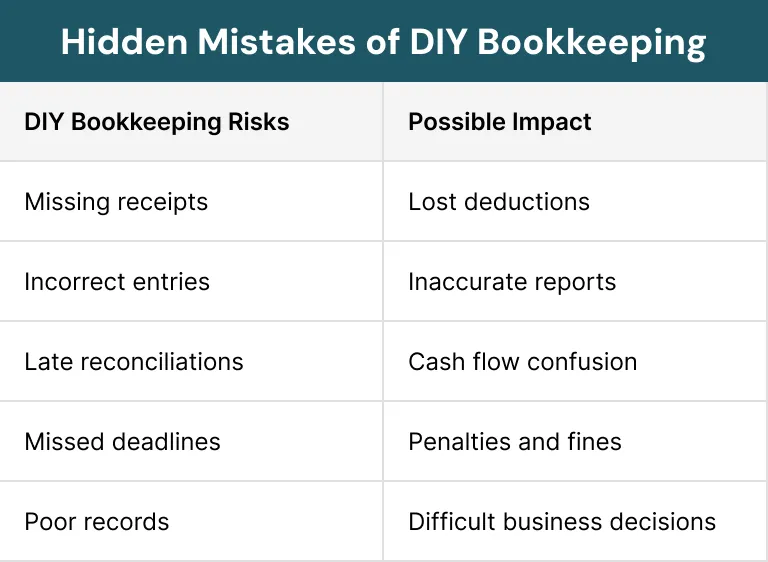
Hidden Mistakes of DIY Bookkeeping
Managing DIY bookkeeping can lead to costly errors. Transactions may be entered incorrectly, accounts may not balance and important documents may be misplaced.
The cost of mistakes is not always obvious. Incorrect records can lead to missed tax deductions and penalties.
When a small business needs a bookkeeper, the true value often comes from saving time as well as improving accuracy.
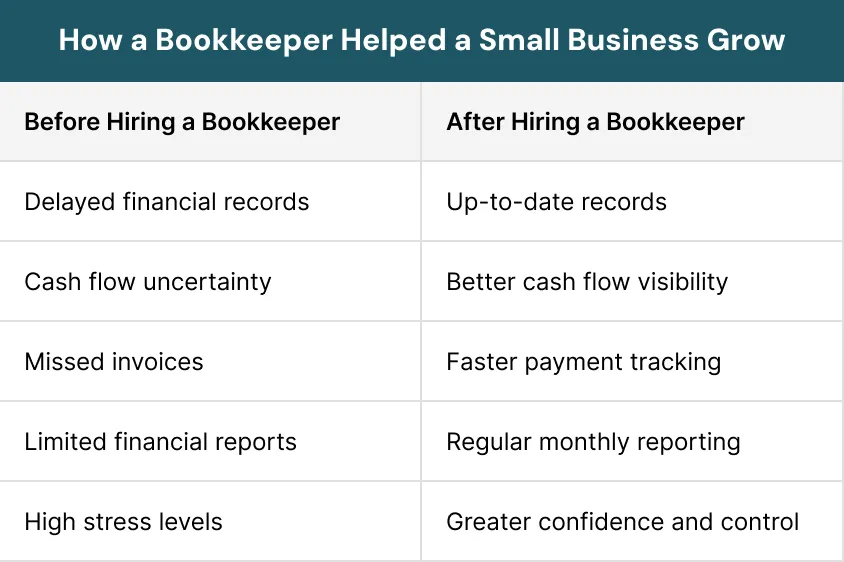
Real-World Example: How a Bookkeeper Helped a Small Business Grow
Many business owners do not realise the value of bookkeeping until they see the results firsthand. The following example shows how bookkeeping improves financial control, saves time and supports growth.
The Challenge
A small retail business had been operating successfully for several years. Sales were growing, but the owner struggled to keep up with the increasing number of financial records.
Receipts were stored in different places, invoices were often delayed and monthly reports were rarely completed on time. Cash flow also became difficult to manage.
The owner spent evenings and weekends trying to catch up on bookkeeping tasks.
Although sales looked strong, there was not enough money available when bills were due.
The Solution
The business hired a bookkeeper to organise the financial records in a better way. He reviewed the past records and created a consistent reporting system.
He provided monthly reports that helped the owner to understand the performance of the business in a more clear way. This allowed better planning for the future growth.
The Results
Within a few months, the business experienced good improvements. Financial records were organised, invoices were processed faster and overdue payments were decreased.
The owner gained a clearer understanding of cash flow.
It shows that a small business needs a bookkeeper not only to solve the existing problems but also to prepare for future growth.
Conclusion
Every business reaches a point where managing finances alone becomes difficult. As business grows, bookkeeping becomes more complex. Knowing the warning signs early can prevent costly mistakes.
If you are spending too much time on admin work or struggling with cash flow, it may be time to seek the help of a bookkeeper. These challenges often indicate that a small business needs a bookkeeper to maintain the accurate records.
Many businesses that need bookkeepers wait until problems become serious.
However, hiring a bookkeeper is not just about fixing the issues. It is also about creating a stronger foundation for future growth of a business.
Good bookkeeping helps you to make the right decisions, manage cash flow effectively, stay compliant and focus on what you do best.
At Sterling Cooper, we understand that your time is valuable. Our professional bookkeeping services keep your records organised, accurate and ready all year round.
Spending too much time on bookkeeping?
et us handle your finances while you focus on growing your business. Contact us today for expert bookkeeping support.
FAQs
You may need a bookkeeper if managing your finances is taking too much time, causing errors or making it difficult to track your business performance and cash flow.
Bookkeeping should ideally be updated weekly or at least monthly. Regular updates help keep financial records accurate, improve cash flow visibility and make tax preparation much easier.
Yes, bookkeeping and accounting are different but closely related. Bookkeeping focuses on recording and organising financial transactions, while accounting involves analysing financial data, preparing reports, and providing strategic financial advice for business decisions.
Popular bookkeeping software options for small businesses include QuickBooks, Xero, Sage, FreshBooks and Zoho Books. The best choice depends on your business size, budget, industry and specific financial management needs.
Your business may be ready to hire a bookkeeper if you are spending too much time on financial tasks, struggling to keep records updated, experiencing cash flow issues, making bookkeeping mistakes or feeling stressed during tax season.
Recent Posts