Posted by:
Admin
Date:
July 28, 2026
Category:
blogs
What Expenses Can be Claimed for a Limited Company?
Running a limited company comes with many costs. Some of these costs are necessary to keep the business operating every day.
The good news is that many of these costs can be deducted from your profits before tax is calculated.
Understanding expenses to claim for limited company purposes is important for every director and business owner.
A business expense is usually a cost that is incurred wholly and exclusively for business purposes. This means the expense must be directly related to running the company and not for personal use.
Research shows that more than 500 UK business owners found that only 26% of small business owners believe they claim every business expense. While 21% admit they claim half of their expenses or less.
Key Takeaways
- A limited company can reduce its Corporation Tax by claiming allowable business expenses that are incurred wholly and exclusively for business use.
- Understanding expenses to claim for limited companies helps directors avoid overpaying tax and improves overall business profitability.
- Common claimable costs include office rent, utilities, stationery, software, marketing, professional fees, and business travel.
- Employee-related costs such as salaries, pensions, bonuses, and employer National Insurance are usually deductible business expenses.
- Home office, internet, mobile phone, and technology costs can often be claimed if they are used for genuine business activity.
- Travel expenses such as mileage, hotels, transport, and subsistence are allowable when directly linked to business purposes.
- Some costs, like client entertainment, personal spending, and commuting, are generally not allowed for tax relief.
- Accurate record keeping is essential when claiming expenses limited company deductions to avoid HMRC issues and missed claims.
- Capital expenses like equipment and machinery may not be fully deductible immediately but can qualify through capital allowances.
- Many small businesses fail to claim all eligible expenses, which means they often pay more tax than necessary.
- Using accounting software or a qualified accountant can help ensure all expenses to claim for limited companies are correctly identified and recorded.
- Proper expense management not only ensures compliance but also improves cash flow and financial planning for long-term business success.
Why Claiming Business Expenses Matters?
Every pound spent on legitimate business costs can help you to reduce the taxable profits.
Many small businesses focus heavily on sales. While income is important, controlling expenses is equally valuable for a business. A company that tracks its costs properly often improves its profit.
When claiming expenses limited company owners should ensure that every cost is supported by the proper records. Missing receipts can lead to missed tax savings.
This is why claiming expenses in a limited company can help businesses to reduce tax.
Accurate expense claims also help you to improve the financial reporting. You gain a clearer picture of where money is being spent and where savings can be made.
HMRC Rules on Allowable Expenses
HMRC expects companies to claim only those expenses that are related to the activities of the business. Personal expenses should never be included in a company expense claim.
For example, if you buy software and use it for business needs, that cost is allowable for a claim. But, if the software is mainly for personal use, the expense may not qualify for the claim.
When reviewing the expenses to claim for limited company tax relief, HMRC is mainly concerned about: “Was this cost necessary for the business?”
Pro Tip:
Keep digital copies of receipts and invoices. Cloud accounting software makes this process much easier and helps during HMRC reviews.
What Expenses Can a Limited Company Claim?
The range of expenses to claim for limited company tax purposes is wider than many directors think. Here are some expenses that you can claim for a limited company:
1. Office Rent and Workspace Costs
Office rent is one of the most common business expenses. If your company rents premises to operate from, the rent paid is usually a tax deductible.
The cost of leasing offices, co-working spaces and meeting rooms can often be claimed. These costs are directly linked to the business activities.
1.1 Utility Bills and Running Costs
You need electricity, water and internet access to run a business. These costs are usually allowable when they are related to the business concern.
Claiming these costs helps you to ensure that profits are not overstated.
1.2 Office Supplies and Stationery
Every business needs the basic supplies. Pens, paper, folders and printers are all examples of the expenses.
These purchases may seem small, but they can add up over a year.
Office supplies are among the simplest expenses to claim for limited company tax purposes. Because they are clearly linked to day-to-day operations.
1.3 Printing and Courier Cost
Courier services used to ship goods. These costs can also be claimed. Printing costs for brochures, forms and documents for a business usually qualify as well.
Companies should retain receipts and invoices to support these expenses to claim for limited company.
Did You Know?
Many businesses lose tax savings simply because they forget to record small purchases such as postage, courier and printing costs.
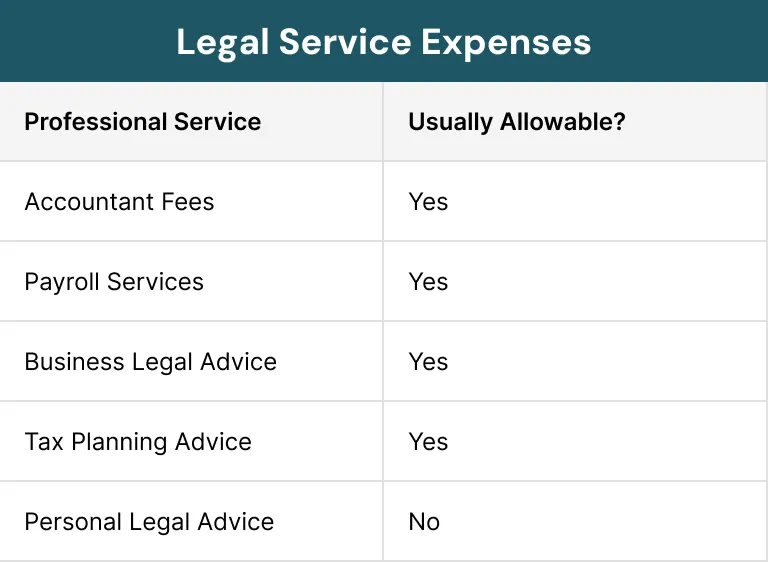
2. Legal Service Expenses
Expert advice helps you to remain compliant and financially strong. HMRC allows these costs when they relate to the operations of the business.
2.1 Accountant Fees
Accountants help you to prepare the annual accounts, tax returns and financial reports of your business. Their fees are usually included in the expenses of a business.
2.2 Legal Fees
Solicitors provide you key support on contracts and business disputes. Many legal costs are claimed as the expenses of a business.
3. Marketing Expenses
Marketing helps you to attract the customers and grow revenue. Investing in ads helps you to generate good sales. While it also provides tax relief through the allowable expense claims.
3.1 Paid Ads
Businesses now advertise their goods or services through search engines and social media.
Ad costs that promote the products or services are allowable for claim. This forms a valuable category of expenses to claim for limited company tax relief.
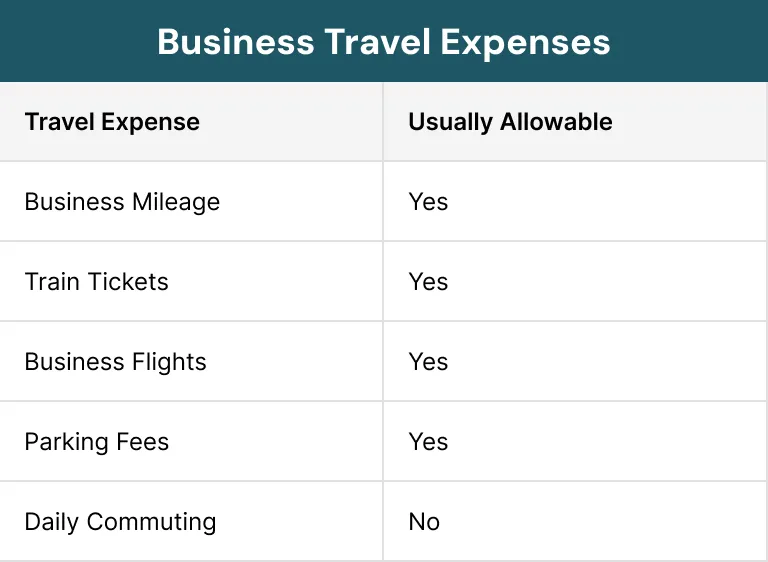
4. Business Travel Expenses
Business travel is a common cost for many companies. HMRC allows claims when travel is necessary for the needs of business.
These expenses can quickly add up throughout the year. Proper tracking helps to ensure that businesses receive all available tax relief.
4.1 Public Transport Costs
Train tickets, bus fares and air travel costs can be claimed when the journey is necessary for the business.
Public transport is often used for meetings and client visits. These expenses should be supported by the receipts.
Many companies include the transport costs among their regular expenses to claim for limited company.
4.2 Parking Charges and Toll Fees
Parking fees that are incurred during business travel are allowable expenses for claim. Toll charges may also qualify for the claim.
These costs are often ignored because they are small. However, over a year they can become significant.
You should include these charges when reviewing expenses to claim for limited company tax deductions.
5. Using Your Home as an Office
Many directors now work from home for part or all of the week. HMRC allows certain household costs to be claimed where appropriate.
If any part of your home is used for business activities, some related costs may be claimable. This could include a spare room, dedicated office space or garden office used primarily for work.
Home working creates the valuable expenses to claim for limited company tax relief opportunities for many directors.
Home office claims should be reasonable and based on genuine business use of the property.
5.1 Calculating Household Cost
A common method involves working out how much of the home is used for business. The percentage of the business is then applied to household expenses.
For example, if one room out of five is used as an office, part of the household costs may qualify for claim.
When claiming expenses limited company tax relief, calculations should be supported by records.
Did You Know?
Home office claims can cover more than electricity. Broadband and heating costs may also qualify in certain circumstances.
6. Internet and Mobile Expenses
The internet and phone are often essential for daily business operations. These costs are allowable for a claim when used for business purposes.
6.1 Business Mobile Phone Contracts
A mobile phone contract that is held in the company name can usually be claimed as a business expense.
The phone should support the business activities, such as calls and emails.
Mobile contracts are common expenses to claim for limited company tax deductions for directors and employees.
6.2 Internet Costs
The internet plays a major role in business. Internet costs are often claimed where they support the operations of the company.
Internet costs often form the part of ongoing expenses to claim for limited company tax relief.
7. Software Expenses
Software helps businesses to improve their efficiency and security. Most software that is used for business is allowable for claim.
Pro Tip:
Review software subscriptions every six months. Many businesses pay for tools they no longer use.
8. Equipment and Office Furniture Expenses
There are some equipment and office furniture that qualify for allowable expenses or capital allowance
Businesses need them to do work in a more effective way. Keeping records of purchases and usage is important for tax compliance.
8.1 Computers and Laptops
PCs are essential for businesses. Those PCs that are used for business purposes may qualify for tax relief.
Many directors invest in laptops to support remote working. PCs remain one of the most valuable expenses to claim for limited company tax deductions.
8.2 Desks and Chairs
Office furniture helps to support the productivity of the employee and workplace comfort.
Desks, chairs, filing cabinets and storage units that are used for business purposes may qualify for tax relief.
When claiming expenses limited company tax deductions, businesses should keep their purchase invoices and proof of business use.
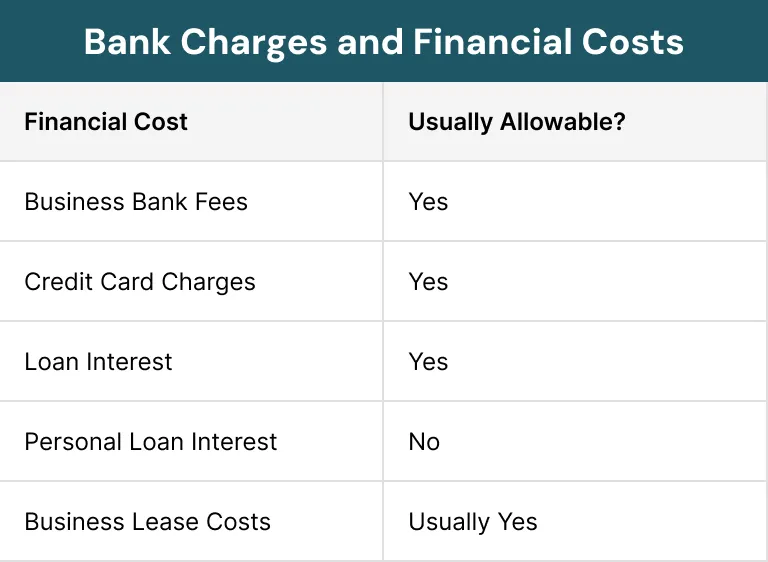
9. Bank Charges and Financial Costs
Most limited companies use banks and credit cards as a part of their daily operations. The costs linked to these services are claimed as business expenses.
Many directors overlook the small financial charges throughout the year. However, these costs can add up and become valuable expenses to claim for limited company tax relief.
9.1 Business Bank Account Fees
Bank accounts of the business often come with monthly charges. These fees are allowable when the account is used only for the activities of the company.
Charges for transactions and international payments may also qualify. These costs are directly linked to running the business.
9.2 Credit Card Charges
Many companies use business credit cards to manage their purchases and cash flow. Annual fees are allowable expenses.
The key rule is that the card must be used for business spending. Personal uses should never be included in the company claims.
When reviewing expenses to claim for limited company, directors should check all the credit card statements carefully.
10. Annual Events and Staff Functions
Company events reward their employees and strengthen the workplace. Certain staff functions may qualify for tax relief when HMRC conditions are met.
10.1 Company Events
Many businesses organise their training days and meetings. Costs that are related to these events can often be claimed.
Venue hire and event materials are also included within allowable costs.
Such events may create useful expenses to claim for limited company tax deductions while supporting business growth.
10.2 Employee Engagement Activities
It helps to build teamwork and to improve the culture of the workplace. These activities may include staff celebrations and team-building events
Where the conditions of HMRC are met, some costs may qualify.
“Staff events are not only good for morale. They can also be a tax-efficient way to reward employees.”
—Business Adviser
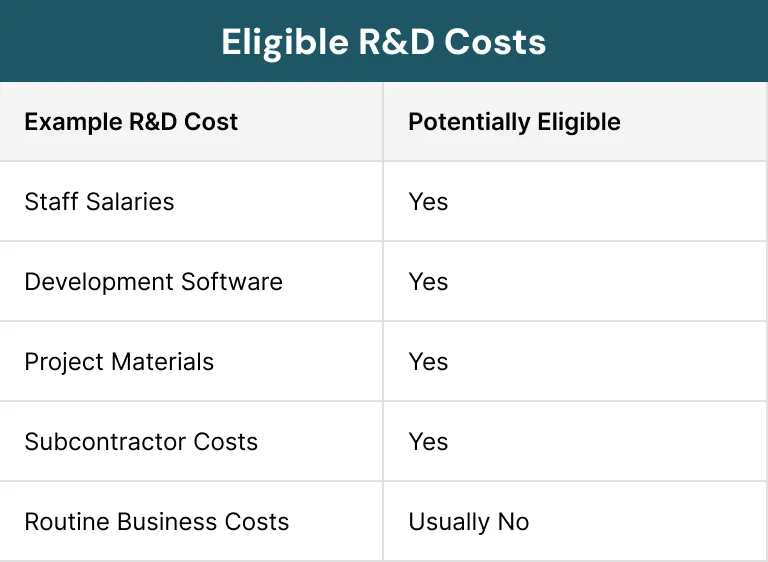
11. Research and Development (R&D) Tax Relief
Innovation can be expensive. To encourage the investment, the UK offers tax relief for R&D activities.
Companies that make new products, improve processes or solve any technical problem may qualify.
What Qualifies as R&D?
R&D involves seeking an advance in science or technology. The work must attempt to overcome the issues that are not easily solved.
Projects that are qualifying may include software development, improvement of engineering or new innovations.
Businesses that are involved in these steps should review potential expenses to claim for limited company tax relief.
12. Startup Costs
Starting a business often requires investment before profit begins. Some pre-trading costs may still qualify for the tax relief.
Startup costs may include website, software, legal advice and accounting support.
How to Claim Expenses as a Limited Company?
To claim the business expenses, you must first make sure the cost is related to your company. The expense should be used for business purposes. Personal costs cannot be included in your claim.
Keep records of every business expense throughout the year. Save receipts, invoices, bank statements and mileage logs as a proof. If HMRC asks for evidence, good record keeping makes it easier to support your claims.
When preparing your company accounts and Corporation Tax Return, include all allowable expenses.
Many companies use accounting software or an accountant to make sure expenses are recorded correctly and no valid claims are missed.
Case Study
Sarah runs a small marketing company in the UK. At first, she did not keep all her receipts and missed many business costs. This meant she paid more tax than she needed to.
After speaking with her accountant, Sarah started claiming expenses for limited company under the rules of HMRC.
She claimed office rent, internet bills, business travel, accounting fees and software that she used for work. She also kept digital copies of every receipt.
At the end of the tax year, claiming expenses of limited company costs helped her to reduce taxable profit.
Sarah now checks her expenses every month and keeps clear records. By claiming expenses limited company costs the right way, she stays compliant with HMRC.
Conclusion
Understanding expenses to claim for limited company tax relief can make a significant difference to the finances of your company.
Every expense reduces the taxable profits and helps to improve the cash flow.
From office costs to software and travel costs, there are many opportunities to claim the allowable deductions.
Businesses that maintain their records are better placed to support their claims and remain compliant with HMRC requirements. Good record keeping also makes tax returns easier to prepare.
Understanding what expenses can a limited company claim helps you to keep your records accurate and up-to-date throughout the year.
If you are unsure about any claim, we at Sterling Cooper help you to get expert advice for a sensible step.
Have questions about claiming expenses for your limited company?
Contact us today. Our team is ready to give you expert, tailored advice.
FAQs
Yes. If part of your home is used for business activities, certain household costs may be claimable, provided reasonable calculations are used.
Yes. Directors can usually claim business mileage when using their personal vehicle for qualifying business journeys.
A limited company can claim any cost that's incurred wholly and exclusively for business purposes, such as office rent, utilities, travel, software, equipment, and professional fees.
Yes. Software and online subscriptions used solely for business activities are generally allowable expenses.
Accurate records support your claims, help with HMRC compliance and reduce the risk of errors during tax reporting.
Recent Posts