

Posted by:
Admin
Date:
July 16, 2026
Category:
blogs
Cash Flow Strategies for Businesses: How to Improve and Increase Cash Flow
Your business can be making sales and still run out of cash. Many profitable businesses struggle to pay suppliers, employees and everyday expenses because of poor cash flow. Research shows that between 47% and 82% of small businesses experience cash flow problems. Cash flow is the money moving into and out of your business. Healthy cash flow keeps your business stable, while poor cash flow can lead to financial stress, missed opportunities and even business closure.
The good news is that the right cash flow strategies for businesses can improve cash inflow, control spending and strengthen your financial position. In this guide, you’ll learn practical business cash flow improvement strategies to help your business stay financially healthy and grow with confidence.
Key Takeaways
- Positive cash flow is essential for paying expenses, managing daily operations and supporting business growth.
- Cash flow strategies for businesses focus on increasing cash inflow, controlling outflow and improving financial planning.
- Profit and cash flow are different. A profitable business can still face cash shortages.
- Regular forecasting, timely invoicing and cost control are among the best ways to improve business cash flow.
- Small improvements in cash flow management can strengthen financial stability and prepare your business for future growth.
What Is Cash Flow?
Cash flow is the movement of money to and from the business. Money that comes in the business is known as cash inflow, e.g, sales and revenue. Money spent on salaries, payments, rent and expenses is called cash outflow.
There are signals of a good cash flow that you need to aim for. Cash flow is positive when you can cover your business expenses and still invest in growth. Even profitable businesses can face difficulty in operations when their cash flow health is weak. A weak cash flow means that you do not have enough cash to pay your immediate expenses.
That is why you need to learn how cash moves to and from your business. This is the first step to choose effective cash flow strategies for business. It will help you learn about problems early and make better decisions. Before developing your business cash flow improvement strategies, you should know its types. These are given below:
Types of Cash Flow
Businesses often have three main types of cash flow. Each type of cash flow provides vital insight about the financial health of your business. This forms the basis for effective cash flow strategies for businesses.
1. Operating Cash Flow
This is the money earned through and spent on normal business operations. This is the money earned from customers and sales and spent on salaries, rent and payments. A positive operating cash flow means a good financial health of the business. It means that you can fund your business operations without loans or external funding.
2. Investing Cash Flow
This is the money spent on or received from long-term investments. This includes selling or buying assets, investing in technology or earnings from past investments. Investing can reduce cash flow in the short-term, but it supports future growth and improves performance.
3. Financing Cash Flow
This is the money received from investors or given to lenders. This can be business loans, loan repayments, issuing shares or paying dividends. When you understand these cash flow types, you can create better cash flow strategies for businesses.
Each type has a distinct impact on how best you form cash flow strategies for business.
Why Is Cash Flow Important for Small Businesses?
Cash flow is a critical factor that decides if a business scales or struggles. Know that even businesses with great sales can struggle because of poor cash flow. This means that your business can face problems to cover everyday expenses.
With effective cash flow strategies for businesses, you can maintain financial stability, improve operations and attain growth. Cash flow is often the difference between surviving and closing for small businesses. Here is why cash flow is so important for small businesses:
1. Ensure Survival
Your business needs cash to operate every day. You cannot pay vendors, employees, rent and utility bills without funds. Most businesses fail because they run out of operational funds, even when they have customers. You can prevent failure with effective cash flow strategies for businesses. A healthy cash flow ensures you have working capital to stay operational for a long time.
2. Funds Daily Operations
Every business has daily operational costs. These costs include wages, inventory, maintenance and daily expenses.
A healthy cash flow ensures these expenses are paid on time without loans or credits. It also reduces financial pressure on the business. You can focus on growth rather than short-term cash shortages.
One of the most effective business cash flow improvement strategies is to monitor daily cash movement. This allows you to identify needless spending before it becomes a problem.
3. Drives Business Growth
Investment is vital for business growth. You need cash to hire staff, buy inventory, expand operations or launch new products. A healthy cash flow supports you to make these decisions. You can take advantage of new opportunities and expand when needed without loans or credits. Many of the best cash flow strategies for businesses focus on steady cash flow. This is important for business growth and expansion.
4. Builds Financial Resilience
Businesses often face unexpected costs. Equipment failure, price hike or delayed payments can come without warning. These can become quite a challenge for small businesses. A healthy cash flow of your business allows you to manage these situations. You can deal with sudden expenses without disturbing business operations or taking on debt. Cash flow strategies for business create financial stability and keep a margin for sudden expenses.
5. Improve Supplier and Lender Trust
Paying vendors, suppliers and lenders on time builds trust and strong relationships. A better relationship will help you negotiate better payment terms and discounts. A good cash flow of a business is a sign for lenders and investors of low-risk investment. By applying cash flow management strategies for small businesses, you can show financial growth. This builds trust and confidence in suppliers and lenders.
“Never take your eyes off the cash flow because it’s the lifeblood of business.”
— Richard Branson
How to Improve and Increase Cash Flow for Businesses?
A healthy cash flow depends on cash flow strategies. It needs careful strategy, regular revisions and smart financial decisions. The right cash flow strategies for businesses help you scale operations, reduce financial pressure and allow growth.
Some of the most effective ways to improve business cash flow are:
Accelerate Cash Inflow (Receivable)
The sooner the customer pays you, the more cash your business has. Late payments can create cash shortages, even when sales are strong. One of the most effective business cash flow improvement strategies is to improve your accounts receivable. These small changes can greatly improve your financial position.
1. Fast-track Invoicing
Delayed invoicing can lead to delays in payments. So, send invoices as soon as the work is done or goods are sent. You can also use automated invoicing software to reduce error, generate invoices instantly and remind customers about upcoming due dates. It forms effective cash flow strategies for businesses.
2. Tighten Payment Terms
Review your payment terms often for every client. If you allow 60-day payments, try reducing them to 30 days. Clear payment deadlines make customers know your terms and ensure faster payments.
3. Offer Early Payment Discounts
Some customers want to pay early if there is a benefit for them. You can use this to get early payments. A discount offer on payments made within ten days can increase inflow and reduce overdue invoices. Even though you get less revenue, a better cash flow provides greater financial stability.
4. Enforce Credit Controls
Carry out credit checks for new customers and set credit limits based on payment history. Regularly monitor overdue accounts and follow up with them to clear the payments. This reduces bad debts and ensures healthier cash flow. Such cash flow management strategies for small businesses help you grow.
Manage Daily Cash Outflow (Payables)
Improving cash flow is not about collecting money faster. It also means the effective management of outgoing payments. By carefully managing payments, your business can hold cash for a longer time. This will ensure you have effective cash flow strategies for businesses in place. Here is you can manage daily cash outflow:
1. Negotiate Extended Payment Terms
If you create a strong working relation with suppliers, many are open to having longer payment periods. By extending payment terms for a longer period, you can have greater short-term cash flow. This gives your business more financial flexibility.
2. Leverage Credit Limits
Credit facilities and lenders help manage temporary cash flow gaps in the business. If used effectively, they can help during slower trading periods or with unexpected expenses.
3. Reduce Payment Frequencies
Rather than making multiple payments in a month, try a different approach. Discuss with your suppliers and group them in a payment schedule with easy dates. Fewer payments improve cash planning, reduce financial log and help manage available funds.
A combination of these cash flow strategies for businesses allow you to focus on growth.
Optimise Existing Operations
Effective cash flow strategies for businesses use available resources in a better way. When you review daily operations, you can find needless costs that do not add value to the business.
These upgrades can create better cash flow strategies for business:
1. Clear Excess Inventory
Too much inventory can hold up valuable cash. Review slow-moving inventory regularly and sell excess stock through promotions and discounts. Low inventory reduces storage costs and improves cash flow.
2. Cut Non-essential Overheads
Review your monthly expenses to find costs that do not help your business goals. Unused software, needless services and extra utilities can all hurt cash flow. By cutting these expenses you can free up cash. You can then invest it in more productive areas of the business.
3. Focus on High-margin Customers
Every customer does not bring the same value to your business. Identify products, services and customers that bring high profit margins and focus on them. When you focus on high-profit customers, you increase your revenue and improve cash flow as well.
These practices help in shaping cash flow strategies for businesses for growth.
Implement Cash Flow Forecasting
This helps businesses to be ready for future income and expenses timely. Forecasting allows you to plan and make informed decisions before cash shortage happens. This is one of the most reliable cash flow management strategies for small businesses. It improves cash flow and reduces uncertainty.
1. 13-Week Rolling Forecast
This estimates the money expected to enter and leave the business over the next 13 weeks. When you update forecasts every week, you find problems and design solutions timely. This simple planning tool helps businesses make better financial decisions.
2. Utilise Cloud Accounting
Accounting software gives you real-time insight about your business finances. They automatically track income, expenses and bank transactions to make it easier to manage cash flow. With accurate financial data present in real-time, business owners can make informed decisions. They can see trends and apply cash flow strategies for businesses more effectively.
Find the best Cloud based Accounting Software for your business.
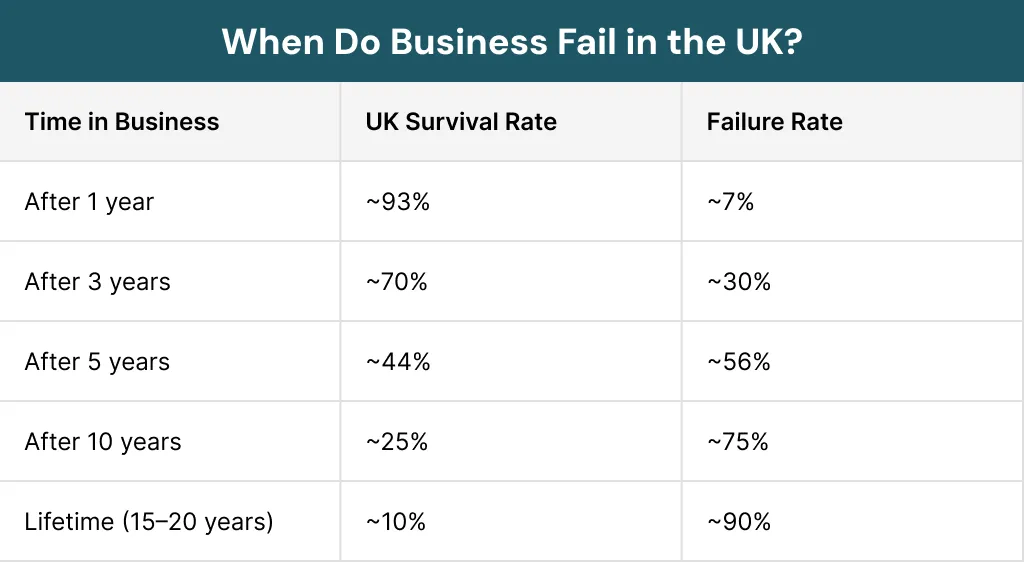
Cash flow problems gradually lead to the closure of a business. Recent findings have created a timestamp for the survival and failure rate of businesses in the UK based on their years of operations. The table below shares that information.
What Is the Difference Between Cash Flow and Profit?
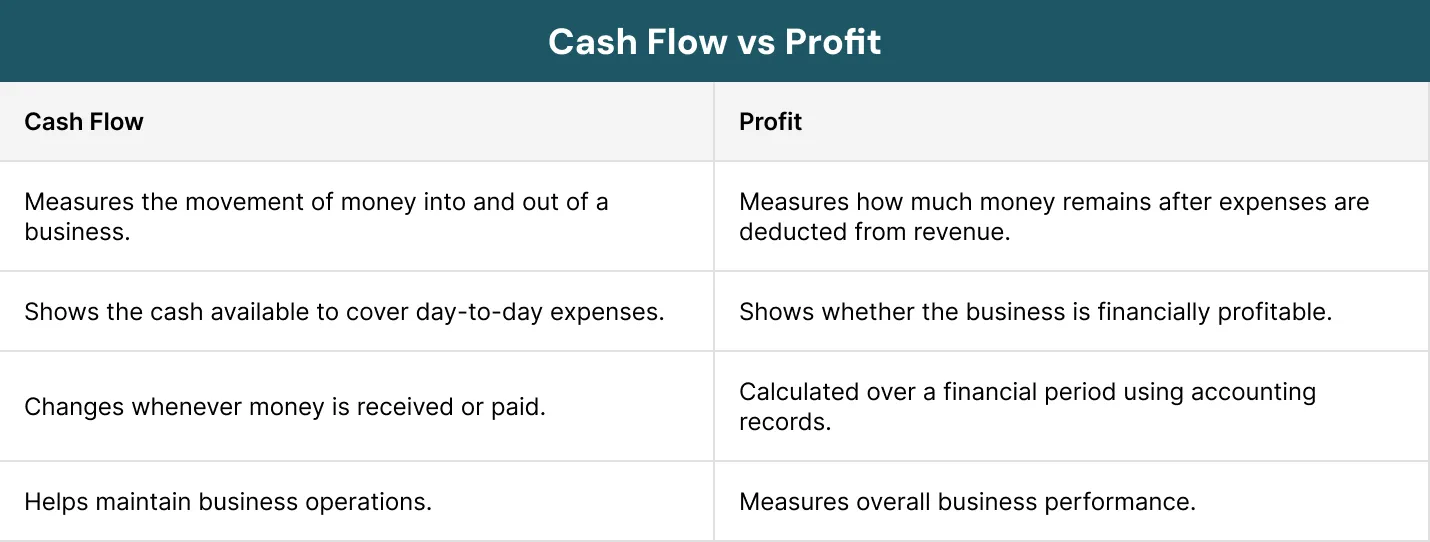
Business owners often confuse cash flow and profit. In reality, they are not the same thing. A business can be profitable and still face cash flow problems. Profit is what is left after all the expenses are paid from total revenue. While cash flow is the measure of money moving in and out from your business.
For example, a business may record a profit after making many sales. Even then, the business may not have enough cash to pay the bills. This happens because the customers are yet to pay their invoices.
This is why successful businesses focus on both profit and cash flow. While profit measures performance, healthy cash flow keeps the business operational. This difference allows you to choose the right cash flow strategies for business instead of just profit.
The table below shows the main differences between cash flow and profit.
What Common Mistakes Hurt Business Cash Flow?
Many businesses face cash flow problems because of simple mistakes. When you find these issues early, you can take action before they affect your business performance. Avoiding these errors is one of the most effective cash flow strategies for business financial stability.
Here are the cash flow mistakes that can affect your business:
1. Delaying Invoicing and Poor Collections
Late invoices often lead to late payments. When invoices are delayed, customers take longer to pay. Also, when follow-ups on overdue payment do not happen, it can create needless cash shortages. Send invoices at once and have a clear process for collecting payables.
Find out if Cloud Accounting is better for your business or Traditional Accounting.
2. Confusing Profit with Cash
Many business owners think that a profitable business means healthy cash flow. In reality, profits shown in financial statements do not mean cash is available to spend. Regularly monitor your cash position to avoid cash shortages.
3. Overestimating Future Sales
Scheduling spending on expected sales can lead to financial pressure when those sales delay. Instead, make financial decisions on cash in hand. This reduces risk and supports better cash flow management strategies for small business owners.
4. Failing to Maintain a Cash Reserve
Unexpected expenses can happen any time. Without a cash reserve, businesses rely on costly borrowing or delay essential payments. When you have an emergency fund, it improves your financial stability. It also provides greater flexibility in challenging times.
5. Ignoring Seasonal Trends
Many businesses experience high and low periods of demand throughout the year. When you are not prepared for seasonal changes, it can lead to cash shortages. Review trends and cash flow patterns to better prepare for expected changes.
6. Mixing Personal and Business Finances
When you use the same account for personal and business expenses, it affects cash flow accuracy. Keep both these finances separate to have a clear image of business performance. This makes budgeting, forecasting and tax reporting easier.
7. Under-pricing Products or Services
Low prices can attract customers but it affects the cash flow. It can reduce profit margins and limit the available cash. Assess your prices regularly to check if it aligns with your costs, market and product value. A sustainable pricing strategy supports healthier cash flow and business growth.
Once you address these common mistakes, you ensure the implementation of the best cash flow strategies for businesses.
Case Study
The case of Walmart shows how cash flow strategies for businesses can affect growth. The company negotiated extended payment terms with its vendor, and ensured their inventory moved quickly. This allowed Walmart to have payments ready before their deadline, allowing them to negotiate better.
These cash flow management strategies allowed them to grow rapidly and built trust with vendors. They not only focused on sales but on improving cash flow of the business. Better forecasting and inventory management can improve cash flow. This ensures sustainability and long-term growth.
Conclusion
Healthy cash flow helps businesses cover their daily expenses, invest in growth and prepare for unseen challenges. Timely invoicing, effective cost management and regular forecasting all contribute to healthy cash flow and long-term stability. Sterling Copper Consultants can help your business build practical cash flow strategies for sustainable growth.
Cash flow reviews and small improvements can have a great impact on the business. It can make you better prepared for challenges and ready for new opportunities. So, access the best financial expert advice.
Still struggling with cash flow?
Our experts can help you identify cash flow gaps, improve financial stability and keep your business on track for growth. Get in touch today to see how we can help.
FAQs
Some of the best cash flow strategies for businesses include sending invoices promptly, following up on late payments, managing expenses carefully, reducing unnecessary costs, forecasting cash flow and reviewing payment cycles regularly. These strategies help maintain healthy cash flow and improve financial stability.
A business can improve its cash flow by collecting customer payments faster, delaying non-essential spending, reducing unnecessary expenses, negotiating better payment terms and selling unused assets. These business cash flow improvement strategies help increase available cash and strengthen financial health.
Poor cash flow happens when more money leaves a business than comes in. Common causes include late customer payments, high operating costs, excessive inventory, poor budgeting and unexpected expenses.
Common warning signs of poor cash flow include struggling to pay employees or suppliers, relying on debt for daily expenses, delayed bill payments, inconsistent revenue, excess inventory and missing business growth opportunities.
Yes. A business can be profitable but still have poor cash flow if customer payments are delayed or too much cash is tied up in inventory or unpaid invoices. Profit shows earnings, while cash flow shows the money available to run the business.
Recent Posts